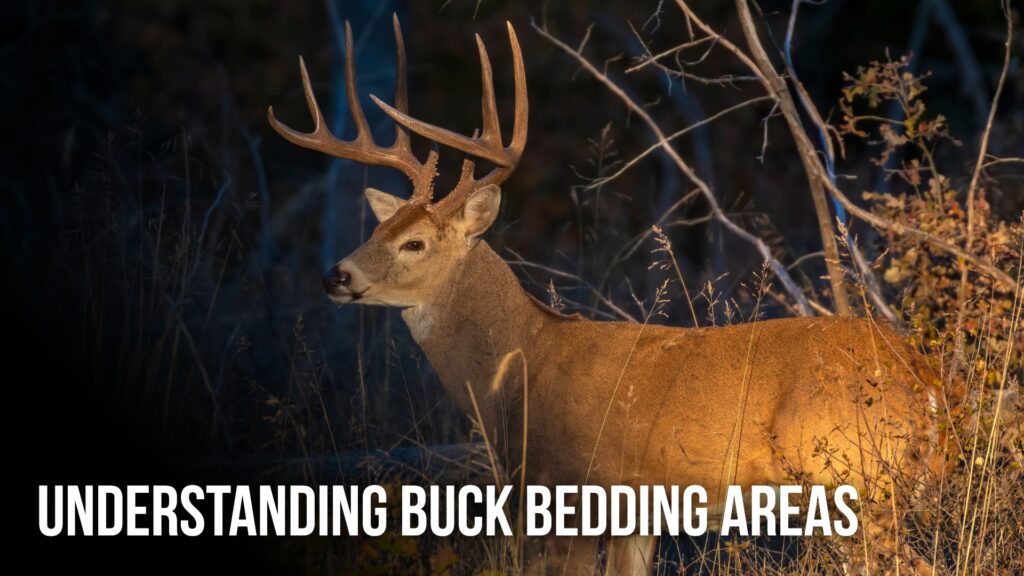
Hunting mature bucks starts long before you ever set foot in a stand. The foundation of every successful hunt is understanding where these animals bed. Mature bucks are creatures of habit, and their bedding areas are carefully selected to provide safety, cover, and easy access to food. Unlike younger deer, they don’t wander aimlessly—they choose spots that allow them to rest undisturbed while keeping a clear line of sight and escape routes in case of danger. Learning to locate and interpret these bedding areas is the key to hunting smart.
The first step is identifying the characteristics of a mature buck’s bedding area. Look for thick cover—dense brush, fallen timber, or steep ridges—that offers both concealment and security. Bucks prefer bedding sites with a nearby vantage point so they can survey their surroundings. Often, these areas are on the leeward side of ridges or in natural funnels where human and predator activity is limited. Size matters too: mature bucks tend to bed in larger, more secluded patches than younger deer, allowing them to move freely and avoid detection.
Once you’ve identified likely bedding areas, the next challenge is pattern recognition. Bucks rarely stay in one place; they travel from bedding to feeding areas along well-worn routes. Observing these trails, looking for rubs, scrapes, and tracks leading in and out of the bedding zone, helps you determine which areas are actively used. Trail cameras can also be invaluable, giving you insight into movement times and confirming the presence of mature bucks without disturbing the site.
Hunting bedding areas requires patience and stealth. A direct approach is often a mistake—mature bucks are wary, and even slight human disturbance can shut down a bedding area for days. Instead, consider hunting the travel corridors leading into and out of the bedding site. Setting up along funnels, pinch points, or natural saddles near bedding areas can put you directly in the buck’s path without alerting him to your presence. Timing is critical: early morning and late evening movements are often the most predictable, but pre-rut and rut activity can increase daytime traffic through bedding zones.
Ultimately, understanding mature buck bedding areas is about more than just finding a thicket in the woods. It’s about reading the landscape, interpreting deer behavior, and hunting strategically. By carefully locating and observing these areas, recognizing the characteristics of mature buck beds, and positioning yourself along the right travel routes, you dramatically increase your chances of encountering the trophy whitetail you’ve been hunting all season.