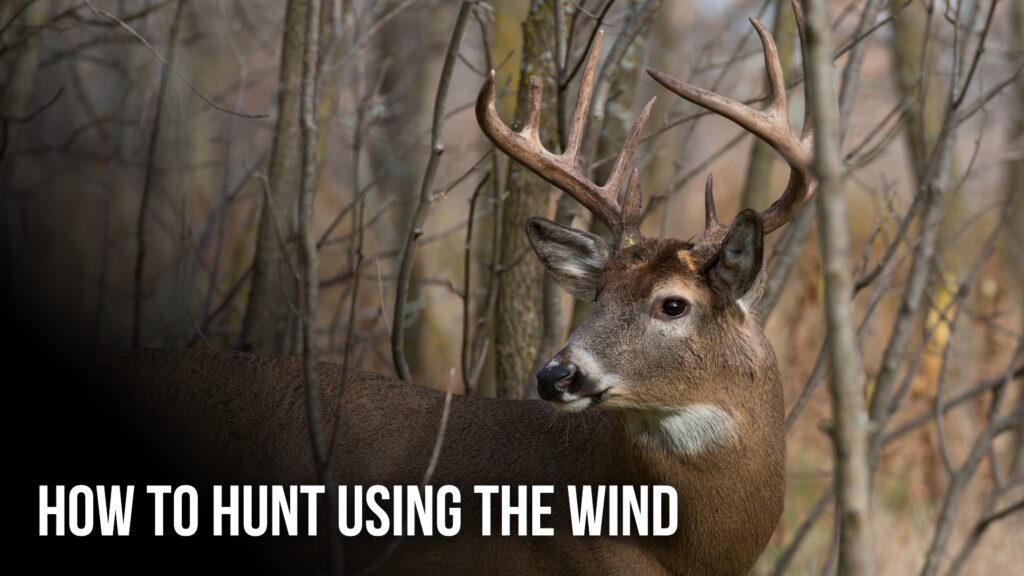
If there’s one thing that separates an average hunter from a consistently successful one, it’s respect for a deer’s nose. A whitetail’s sense of smell is extraordinary, and it’s the tool they rely on most to detect danger. Mature bucks can smell a human from hundreds of yards away, and even the slightest scent carried on the wind can shut down an entire area. Understanding how deer detect scent—and how wind and thermals move it—is one of the most important skills a hunter can develop.
Wind direction is the obvious factor, but thermals make things more complicated. During the day, the sun heats the ground, creating columns of rising warm air. This causes scent to swirl unpredictably, even when the wind seems steady. Hunters today still benefit from thinking like the animals they pursue, just as Native Americans did for centuries. Indigenous hunters carefully studied prevailing winds, bedding locations, and terrain features to approach deer without being detected. They knew when to move along ridges, use valleys as scent barriers, and wait downwind, turning wind into an ally rather than an obstacle.
Approaching your stand requires more than just checking the wind sock. Mature bucks are smart, and they constantly test their environment with scent. Pay attention to natural scent barriers—ridges, dense cover, and ridgeline benches can help mask your presence. Hiking in low, hidden routes and using natural breaks in the terrain can dramatically reduce your scent footprint. Some hunters even take advantage of inversion periods, usually early morning, when cooler air near the ground keeps scent low and contained.
Understanding how deer use their nose also informs when and where you set up. Bucks are more willing to cruise through an area when the wind and thermals work in your favor. Position yourself along funnels, saddles, or travel corridors where the terrain naturally deflects your scent away from the deer’s path. Trail cameras can confirm where deer are traveling consistently, and observing fresh sign—rubs, scrapes, and tracks—tells you which routes are being actively used.
Ultimately, hunting with an understanding of a deer’s nose is about patience, observation, and thinking like the animal you’re pursuing. Ignore the wind and thermals, and even the most strategic stand can be ruined before the hunt begins. Study the terrain, anticipate the movement of air, and let the deer’s sense of smell guide your strategy. Respecting the power of their nose—and using wind as Native hunters did for centuries—puts you in position to hunt smart, stack the odds in your favor, and consistently encounter mature whitetails.