When it comes to consistent deer hunting success, few factors matter more than understanding a whitetail’s preferred food sources. Knowing what deer are feeding on and when those foods are available can completely change your setups and increase your odds of being in the right place at the right time. While farm fields often get the spotlight, many of the most dependable food sources come straight from native trees and plants. Six standouts are the white oak, red oak, water oak, persimmon, crab apple, and green briar—each offering unique opportunities throughout the season.
White Oaks
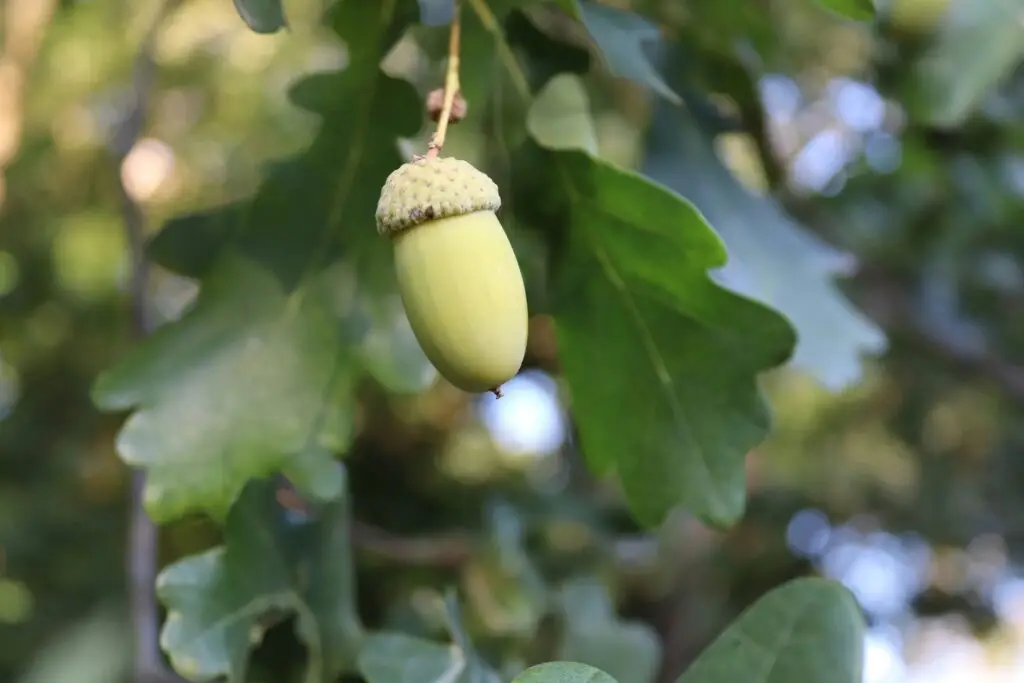
Acorns begin dropping early to mid-fall (September–October in many regions). White oaks have lighter, flaky bark and rounded-lobed leaves. Walk ridge tops, oak flats, and transition zones to spot trees dropping fresh acorns. Look for deer droppings, tracks, and freshly turned leaves beneath the canopy—sure signs of active feeding. White oak acorns are low in tannins and sweeter than other oaks, making them the most sought-after hard mast. Deer will abandon almost everything else once they start falling.
Red Oaks
Red oak acorns seem to be most preferable during the late season months (November–January), once sweeter acorns (like white oak acorns) and soft mast sources (like persimmons) are depleted. Red oaks have darker, rougher bark and pointed-lobed leaves. Search big oak flats or ridges where multiple trees grow close together, as deer will return once food gets scarce. Their bitter acorns aren’t a first choice, but they carry deer through the lean months, providing critical late-season attraction.
Water Oaks
These acorns often drop over a longer period throughout a good portion of the season often bridging the gap between white oak and red oak feeding. Water oaks are found in lowlands, swamps, or near creeks and river bottoms. Their small, round acorns scatter heavily beneath the tree, making feeding sign easy to spot. They offer a dependable, steady food source that deer will visit regularly, making patterning easier.
Persimmons
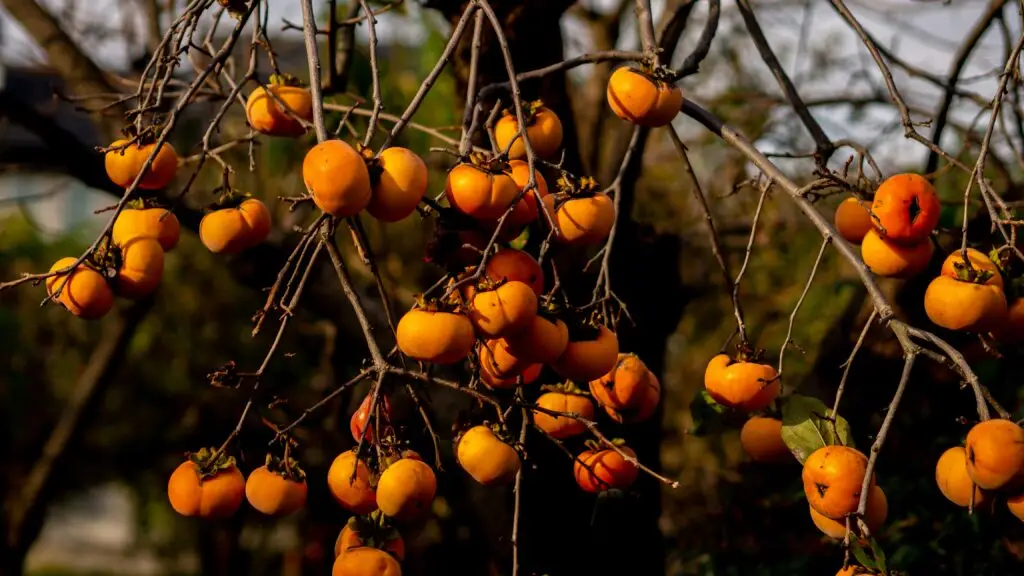
Persimmons ripen and begin to drop on a daily basis from early to mid-season (September–October). When locating persimmon trees, look for gray, blocky-barked trees often growing in edges, field corners, and open woods. Check for fruit on the ground or hanging high in clusters. Use binoculars to scan tree tops. When persimmons are ripe, deer will return to the same tree until every fruit is gone. It’s one of the hottest short-term ambush opportunities of the season.
Crab Apples
Crab apples, while varying by region, often fall between September–October, providing an excellent early season food source. Crab Apple trees can be found along old homesteads, field edges, and fencerows. Look for small, colorful fruit scattered on the ground, along with obvious feeding sign like trampled grass. Their sugary fruit is irresistible to deer, offering concentrated action for as long as the fruit is falling.
Green Briar
You can find green briar (and other types of browse) year-round, especially late winter and early spring when other food is scarce. Green briar is quite common in thickets, clearcuts, and field edges. Look for tangled, thorny vines with tender green shoots and chewed ends where deer have been browsing. It’s one of the most consistent browse options available, keeping deer active in thick cover even when mast crops are gone.
Deer movement revolves around food, but not all food is equal year-round. White oaks light up the woods in early fall, persimmons and crab apples shine in mid-season, and red oaks and green briar carry deer through the late season. By learning how to identify, locate, and time your hunts around these food sources, you’ll not only understand deer behavior better—you’ll also consistently put yourself where the action happens.

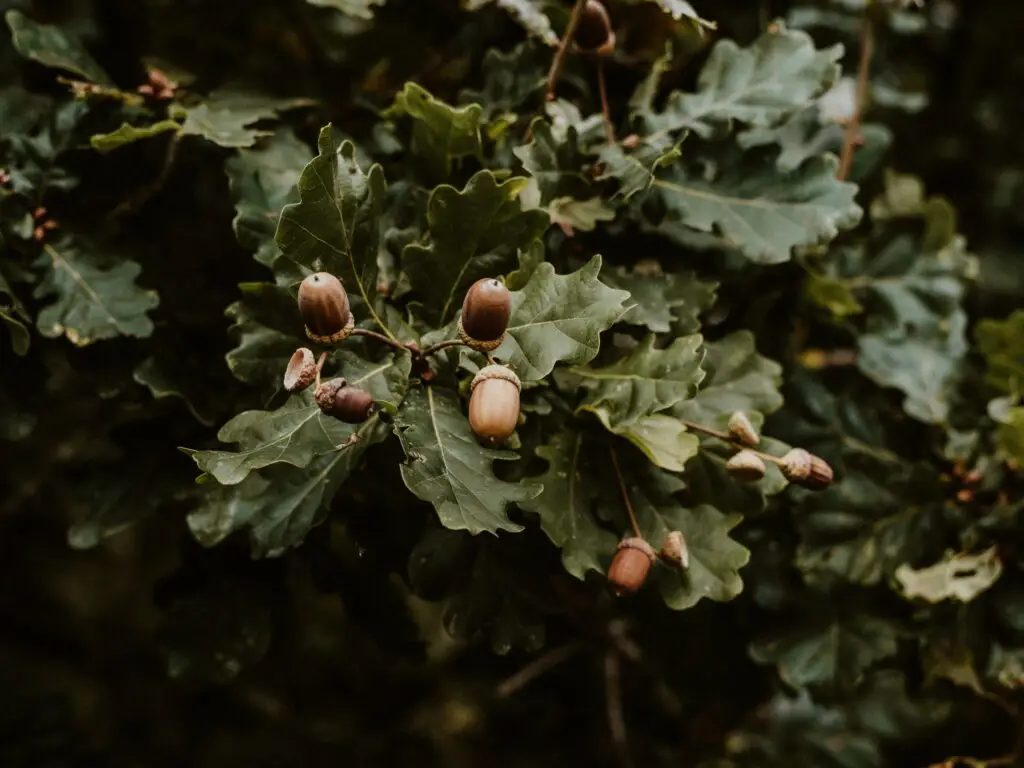
The early season offers a unique opportunity to capitalize on predictable deer patterns before hunting pressure alters their behavior. One of the biggest advantages hunters have this time of year is the ability to key in on a deer’s preferred food sources. Whether it’s a persimmon grove down in Georgia, or an oak flat dropping acorns up in Michigan, finding what deer are feeding on “right now” in your area can swing the odds heavily in your favor and immediately put you in the game.
As you are looking for hot food sources in the area, you’ll want to be paying attention for fresh, early season sign, like acorn caps scattered across the forest floor, fresh ground disturbance (think flattened leaves), clusters of droppings, tracks near water, or even the first rubs of the year all tell you exactly where deer are spending their time. The key is not just finding the sign, but relating it back to bedding or feeding.
If you can determine whether that activity is happening closer to where deer are feeding at night or bedding during the day, you can place yourself right in the transition zone. Setting up along those travel routes gives you the perfect ambush spot while deer are still in their early season patterns.
Hot weather is often a factor during early season hunts, and that’s where water comes into play. If you can locate an isolated water source tucked close to bedding cover, you may have discovered an absolute gold mine. Deer will often swing by these secluded spots in the last hour of daylight, and sometimes even earlier, especially if daytime highs are sweltering. A quiet, strategic approach to one of these locations can put you within bow range of a buck that feels secure visiting it during daylight hours.
Another advantage of the early season is that deer have not yet been pressured by weeks of hunters in the woods. Their guard is lower, and they often move more predictably while the sun is still out. This is the time to be aggressive in your setups and capitalize before they wise up. If you’ve patterned a buck and know where he’s feeding or watering, don’t be afraid to strike early aggressively rather than tip-toeing around waiting for the perfect conditions later in the season.
By focusing on food sources, fresh sign, water, and low hunting pressure, you’ll give yourself the best chance of filling a tag in the early season. Remember: Deer are more predictable now than at any other point of the year – don’t be afraid to get aggressive and make things happen.
Hunt Harder. Hunt Smarter.